What are the selection techniques for bearing grease?
The selection of bearing grease directly impacts the stable operation of equipment. To ensure bearings perform at their optimal level, the following factors must be considered when choosing bearing grease:

1. Anti-rust Properties
Grease used in bearings must possess anti-rust properties, with rust inhibitors ideally being water-insoluble. The grease should exhibit excellent adhesion and form a protective oil film on steel surfaces.
2. Mechanical Stability
Grease softens during mechanical processing, leading to leakage. During normal operation, grease is flung from the bearing housing into the bearing. If the grease lacks sufficient mechanical stability, the soap structure may undergo mechanical breakdown during operation, causing the grease to degrade and lose its lubricating function.
3. Oil Seals
Oil seals are essential barriers protecting bearings and lubricants from external contamination. During bearing operation, neither debris nor moisture should infiltrate the bearing to prevent damage.
Proper installation and maintenance are critical factors in maximizing bearing service life. Attention must be paid to bearing cleanliness, correct bearing selection, and the use of appropriate installation and maintenance tools. Additionally, bearings must be protected from contamination by pollutants and moisture, and must be correctly installed and lubricated. Therefore, bearing arrangement design, oil seal condition, lubricant type, lubrication intervals, and specialized maintenance all play equally important roles.
4. Grease Mixing
Never mix incompatible greases. Mixing two incompatible greases typically softens their consistency, potentially leading to grease loss and bearing damage. If the original grease type is unknown, thoroughly remove all old grease from both inside and outside the bearing before adding new grease.
5. Grease Classification
Greases are primarily categorized based on temperature and operating conditions:
- Greases can be classified by their permissible operating temperature range. Grease consistency and lubricating ability are influenced by operating temperature. Bearings operating at a specific temperature require a grease with the correct consistency and lubricating performance at that temperature. Greases are manufactured for different operating temperature ranges and can be broadly categorized as low-temperature, medium-temperature, and high-temperature greases. Additionally, there is a class of greases known as extrusion-resistant or extrusion-resistant greases containing molybdenum disulfide, supplemented with additives to enhance the strength of the lubricating oil film.
6. Critical Factors in Grease Selection
Incorrect grease selection renders all bearing protection measures ineffective. It is crucial to choose a grease whose base oil viscosity provides adequate lubrication at operating temperatures. Viscosity is primarily affected by temperature, decreasing as temperature rises and increasing as temperature falls. Therefore, the base oil viscosity at operating temperature must be known. While machinery manufacturers often specify a particular grease, most standard greases have broad applicability.
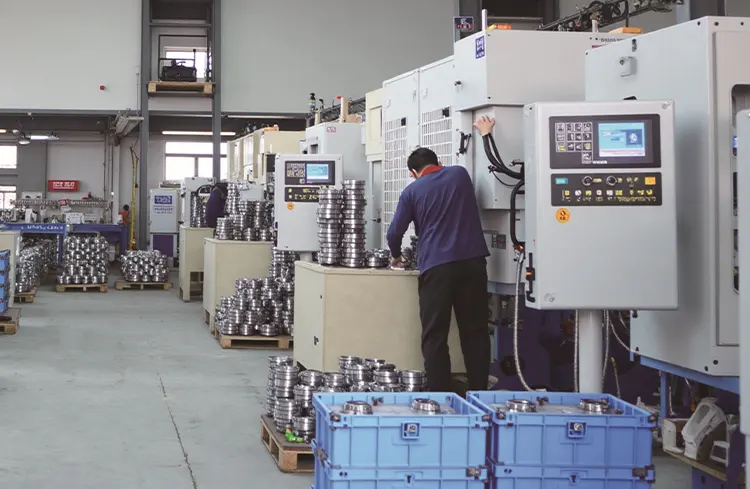
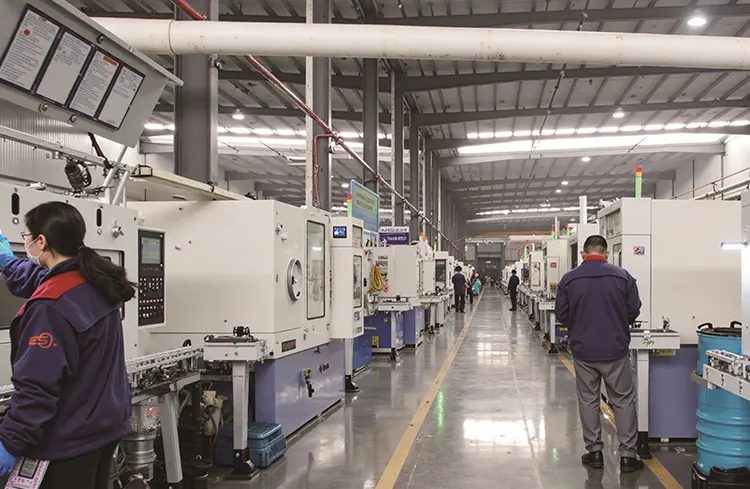
Shanghai Yisiou Trading Co., Ltd. is a powerful enterprise with a registered capital of 5 million RMB. Its product matrix includes ceramic bearings, hybrid ceramic bearings, solid oil bearings, tapered roller bearings, cylindrical roller bearings, etc. The products are widely used in aerospace, automotive and other fields, and have reliable performance under extreme conditions. The company is customer-centric and holds an important position in the industry.

Leave A Comment