Aerospace field
The aerospace field has very high requirements on the reliability, extreme environment resistance, lightweight and precision of parts. Ceramic bearings have become indispensable key parts in this field due to their unique performance. They are mainly used in core equipment such as aircraft engines, spacecraft attitude control systems, aerospace test platforms, etc., completely solving the pain points of traditional metal bearings that are prone to failure under high temperature, high speed and vacuum environment.
In aero-engines, silicon nitride ceramic bearings are particularly outstanding for stable operation at temperatures above 1200 ° C without the need for additional lubrication and for a density of only 42% of steel, effectively reducing the overall engine weight and improving the thrust to weight ratio. The silicon nitride self-lubricating ceramic bearing developed in China forms a dynamic repair film at the friction interface through the synergistic embedment of nano molybdenum disulfide and graphene. In the 1500-hour continuous bench test of the high pressure rotor bearing of a certain turbofan engine, the wear is only 1/3 of the traditional alloy bearing, completely getting rid of the oil dependency under high temperature conditions, and has been applied to the "Taihang" improvement and other domestic aircraft engines. In addition, this kind of bearing is also used for high-speed rotating parts such as engine turbine and compressor, which can withstand the high speed of thousands of revolutions per minute, resist gas corrosion and extend the service life of engine.
In the field of spacecrafts, ceramic bearings are used for the gyro motor of satellite attitude control system, solar panel drive mechanism and the life support system of manned spacecraft. As the space environment is in a state of high vacuum and extreme temperature difference (- 40 ℃~1200 ℃), the metal bearing is prone to lubrication failure, thermal expansion and cold shrinkage deformation, etc., while the ceramic bearing has an ultra-wide temperature range adaptability, no risk of brittle fracture at low temperature, and the hardness and strength are stable at high temperature. Moreover, the oil-free self-lubrication property can avoid the volatilization of lubricating grease from polluting the precision parts of spacecraft, and ensure the stability and reliability of spacecraft in long-term orbital operation. At the same time, its non-magnetic characteristics can avoid electromagnetic interference to satellite navigation and communication systems, further improving equipment operation accuracy.
- Previous:Article 1
- Next:Electrical machinery
Application of relevant products
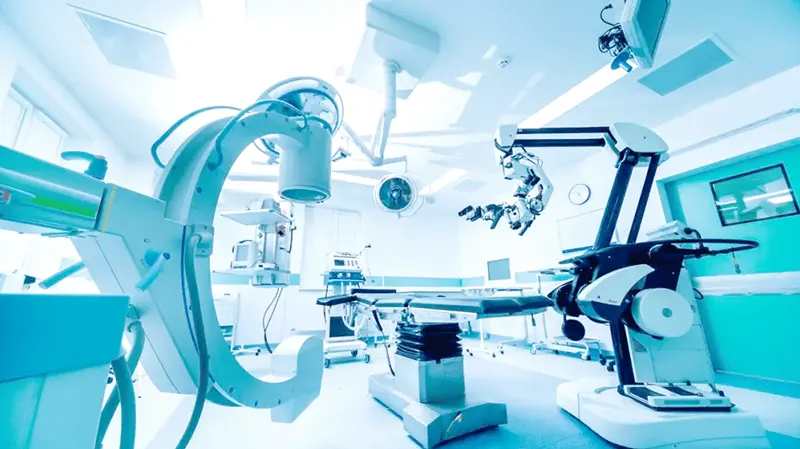
Medical machinery
Medical devices can generally be divided into two categories: therapeutic devices (surgical knives, medical catheters, pacemakers, contact lenses, etc...
Read More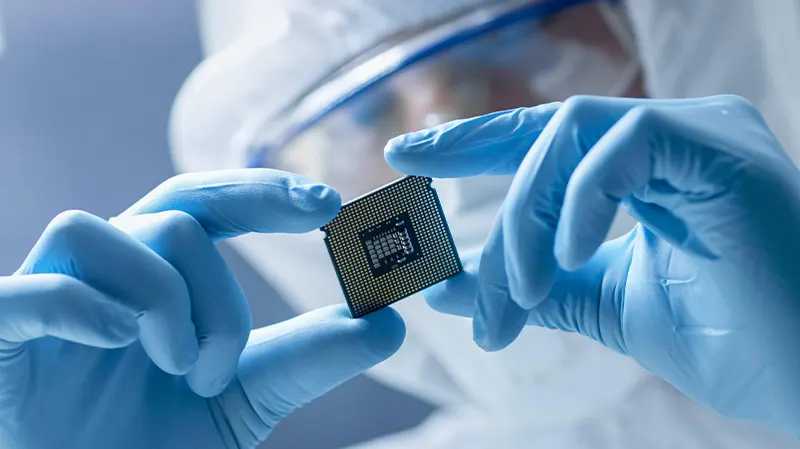
Semiconductor
In today's world, fields such as semiconductors, flat panel displays (FPD), solar cells, smartphones, battery electric vehicles (BEV), autonomous driv...
Read More
Agricultural machinery
Agricultural tractors are the main force of agriculture. They have to work intensively for long periods under bad road conditions. Thus, focus on safe...
Read More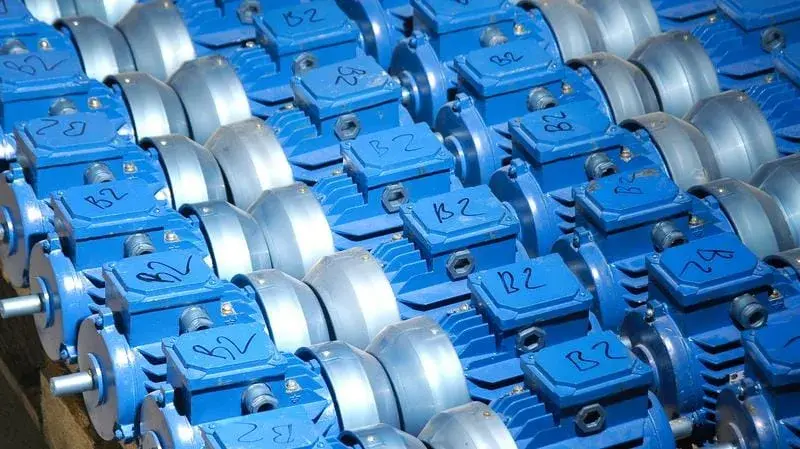
Electrical machinery
Fast, quiet and efficient motors are indispensable to modern life. With special bearings with insulation, or hybrid ceramic bearings with ceramic ball...
Read More